Building the STEM Workforce of the Future
The global scientific landscape is undergoing a profound transformation as major institutions pivot toward cultivating the intellectual capital necessary for tomorrow’s breakthroughs. From the U.S.
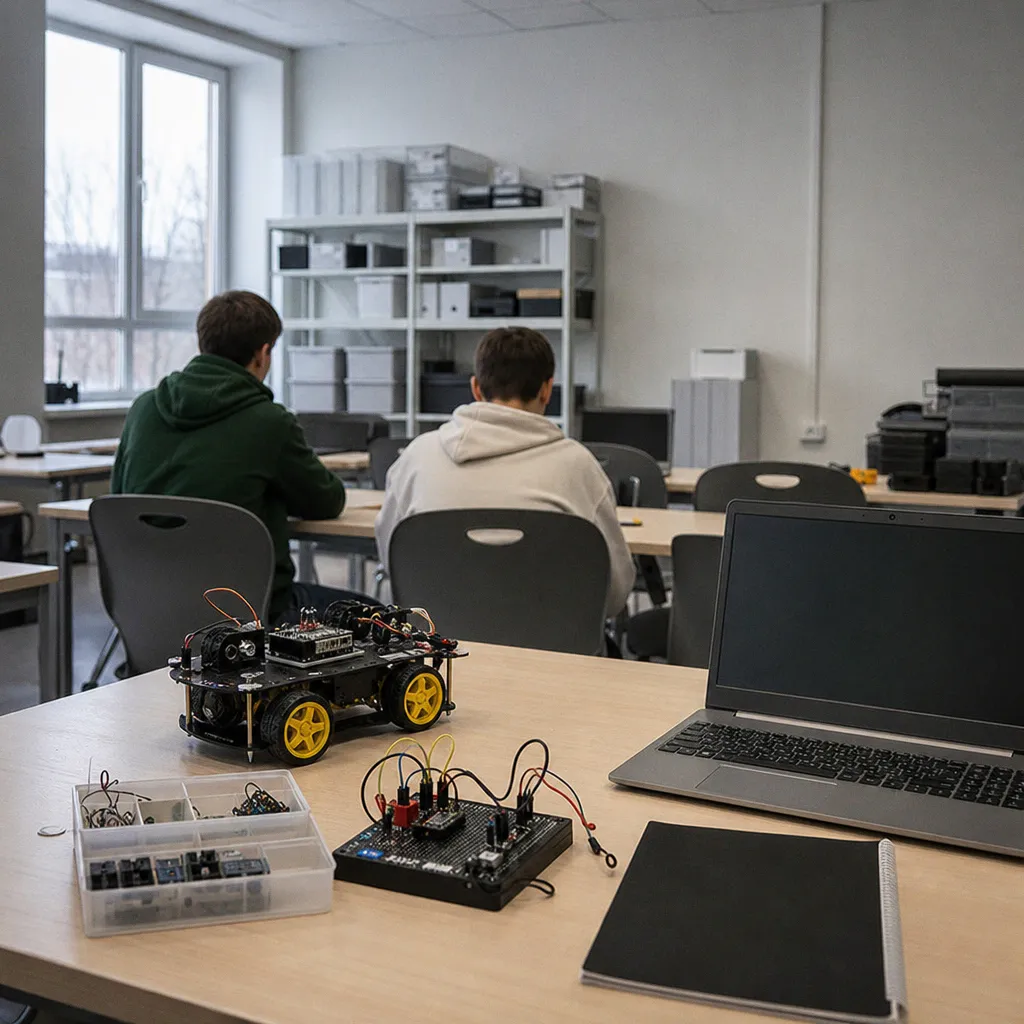
Global Synergy and the Talent Pipeline
The U.S. National Science Foundation (NSF) has recently spotlighted a cornerstone of modern progress: "Building the STEM Workforce of the Future." This initiative represents a sophisticated recognition that our most valuable resource is the collective human intellect. By prioritizing the development of scientists, engineers, and researchers today, the foundation is laying the groundwork for a decade of unprecedented discovery. This is an analytical move toward long-term stability in innovation, ensuring that the pipeline of talent remains robust enough to handle the complexities of emerging technologies.
This trend toward strengthening the human element of science is echoing globally. For instance, the National Academy of Sciences of Belarus and its Chinese partners have recently focused their efforts on joint participation in research projects. These collaborative efforts demonstrate a growing consensus that the challenges of the 21st century require a unified, global approach to talent development. When we see nations bridging geographical and political gaps to focus on shared research, it signals a shift toward a more inclusive and robust scientific community. For those of us tracking the horizon of human potential, this represents a beautiful synergy where diverse perspectives are harnessed to fuel breakthrough thinking on a global scale.
Resilience in Applied Science and Infrastructure
The true power of a fortified STEM workforce is best measured by its tangible outputs, particularly in fields that directly enhance human health and societal efficiency. A striking example of this resilience can be found in the field of oncology. Despite recent budgetary cuts in the United States, mRNA-based cancer vaccines are continuing to advance. According to reports from Reuters, the momentum of this life-saving technology remains steady, driven by the expertise and dedication of a workforce that refuses to let progress stall. This serves as a powerful testament to the fact that once the scientific foundation is laid and the talent is in place, the pursuit of medical excellence gains a life of its own, transcending mere financial cycles.
Simultaneously, the infrastructure of our world is being reimagined through the lens of sophisticated automation and smart investment. The global autonomous train technology market is currently on a trajectory to reach an estimated $6.80 billion by 2034. This growth is being fueled by a surge in smart rail investments and the integration of advanced technologies that promise to redefine how we move across the planet. This leap in transportation is not just an economic milestone; it is a preview of a more connected and efficient future made possible by the very STEM professionals currently being trained and supported.
When we look at these developments together—the resilience of medical research in the face of cuts and the rapid expansion of smart infrastructure—it becomes clear that the investment in human potential is already reshaping our world. We are witnessing the birth of a new era where the focus on education and collaborative research is yielding dividends that will redefine the limits of what is possible for generations to come.